Boho, mid-century or minimalist? The right phone for every design aesthetic
 | April 2, 2026 | 11 min read |
Key Points
- A home aesthetic is the cohesive look and mood created by colors, furniture, materials, lighting and décor throughout the home.
- Matching technology to your design style helps preserve visual harmony and can reduce the sense of clutter or disruption in a space.
- Different aesthetics pair best with different phone styles: retro works well for boho, mid-century modern and retro spaces, while sleek cordless handsets fit modern and minimalist rooms.
- A home phone can function as both a practical communication tool and a décor element in spaces like the entryway, living room, kitchen, home office and bedroom.
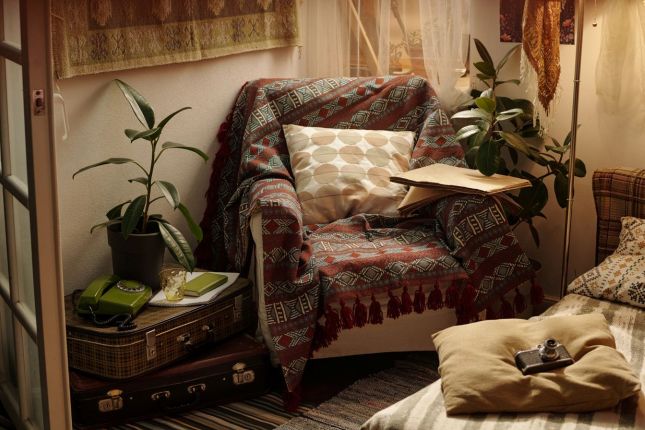
You’re working on styling your space, and while it feels like it might be coming together, it still feels off. You need technology and a phone in your home, but everywhere you put it, it feels disruptive to your home aesthetic. This is a common problem with an easy fix. First, define your design aesthetic, then select tech to match.
Be it boho décor, minimalist or eclectic style, you can align your tech to fit your space and work for you. The right home phone becomes part of your story, not an outsider. Let us help you find your style and the tech to fit it.
What is a home aesthetic?
A home aesthetic refers to the look and style of your home. It’s the combination of your design elements, like colors, furniture, materials, lighting and décor, into a well-defined cohesive look. As numerous studies have proven, your space affects your mood. You can use this knowledge to define the mood for each room, and when you tie all those rooms together you form an overall home aesthetic.
Once you’ve identified your home décor style, it makes it easy to add pieces to it. See artwork that goes with your aesthetic? Grab it. Throw pillows? Yes. Even your technology can go along with your design aesthetic. Ooma offers a wide range of VoIP phones that you can use to match your design aesthetic.
Do you know your design aesthetic?
Finding your design aesthetic is easy. Start by considering how you want your home to feel. Inviting? Comfortable? Chic? The color on the walls, shape of the room, and materials you fit inside can all contribute to the mood of a room and home. For example, bright lighting, minimalism, sharp designs and a basic square room can promote focus. Meanwhile, warm lighting, plants, textured materials and neutral brown colors can make you feel warm and cozy. Starting with a feeling can be a great way to figure out what you want from your home aesthetic style.
Then pick one design element you love. This can be paint colors you always gravitate towards, an art piece that just speaks to you, a piece of furniture that grounds you or a pattern that makes you feel happy. This can even mean catering toward something, like your love of plants, a beloved fur buddy or a new baby.
Once you have a solid starting place, hop on a site like Pinterest or Houzz and save your favorite looks. Next, look for themes in your saved images. Then try to carry those themes over to your furniture choices, wall colors and design pieces.
Keep in mind as you go through this process that your home aesthetic should work with your daily living needs and the architecture of your home. And don’t be worried if you have a few design aesthetics you can’t choose between. Your aesthetic takes time to develop. It grows with you over time and as you collect unique statement pieces to define it.
The psychology of color
Before you start designing, it’s worth taking a brief detour into the psychology of color. This will not only help you solidify your ideas, but help you both make and understand the choices you’re making when you choose décor to fill in your spaces.
Platt College has a good look at the positive, negative and common uses for a variety of colors. Below, you can find our recommendations for what they are and where you could use them.
Red
Bright reds are best for accents while darker reds are best used for warmer or comforting environments. Think a dark red blanket on a cream couch!
Orange
Fun fact: Orange tends to stimulate appetites, making it a good choice for a kitchen or dining area. In small doses it can also showcase friendliness and enthusiasm, especially when paired with blue. Burnt oranges can be used for warmth.
Yellow
This is a tricky one because if the yellow is too bright it can easily draw attention to parts of your space, which is why video game designers use yellow to get players to go in certain directions. Instead, opt for softer yellows for a nursery or kids room. It tends to be cheerful and hopeful. Darker yellows like gold are best for promoting eternal style and timeliness but can look gaudy if not done sparingly.
Green
The color of nature! If you feel calm around green it’s because it has the unique ability to both make you feel at ease and stable. It always feels a bit cozy, with the temperature affecting how much so. For example, brighter greens can energize spaces while darker greens like olive and forest can have a grounding effect.
Blue
Blue is famously a calming color, but it’s mostly light blues. They’re great when used as a main color for a nursery. Darker blues are best for a home office or kitchen as a main color. It tends to bring a little more reliability than light blue.
Purple
There’s always something a little magical about purple. A light purple is a bit creative and can get your mind thinking. Good for a space where you do a lot of activities. Darker purples are very regal and feel more luxurious, but are also harder to design around.
White
This is perfect for minimalistic spaces, but too much white and bright lighting can be off-putting so be careful. White is great as either an accent to a room or a backdrop that lets other colors, preferably deeper ones, really sing. Pairing brighter colors with white will result in a really energized space.
Black
Dark, intimidating and powerful, black goes with anything. Pair it with white for sharp contrasts that’ll keep your mind focused. Or, pair it with deeper colors to add some richness. Just be careful you don’t overdo it. Too much black can really darken the mood.
Gray
When paired with softer colors like butter yellow, it can be attractive. But gray can often feel cold and sterile, and reminds people of brutalist architecture that features cold, cement walls.
Brown and Beige
Neutral and comfortable, brown and especially beige are perfect bases to build out a space. It’s especially good if you’re going for that famous “clean aesthetic”. It feels classy, neat and comforting at the same time. Toss in some darker colors to complement and you have a good space anyone would be happy to spend time in.
Designing your space for connection
No matter your space, there’s a design aesthetic to define it. From boho decor to mid-century modern style to minimalism, each aesthetic has defining design elements. Your tech doesn’t have to stick out in any scenario. In fact, you don’t want it to. Tech that doesn’t match the style of a space breaks up the aesthetic. If you walk in and see cords, multiple devices or even just a bright blue router with a thousand antennas in your clean, white and cream living room, you’ll feel some unease. That’s because untidiness and lack of design cohesion can overload your brain’s visual stimuli, releasing cortisol and contributing to stress and anxiety.
Instead, designing your space for connection means choosing technology that complements your home decor style and adding it as functional décor that naturally fits into the room. The following will help you define your style and include the tech that supports your life. Take a look.
Boho décor
Boho décor involves layered textures, warm tones, plants and carefully collected statement pieces over time. The vibe is a relaxed home aesthetic that embraces functional décor. It’s a very personalized style rather than an overly matching one.
We love a retro-style phone here in a warm color and placed within reach, such as on a kitchen shelf, entry table, or bedside table. Ooma has many retro-style home phones. to choose from.
Mid -century modern style
Mid-century modern style is clean and simple. Think tapered furniture legs, geometric accents, warm wood tones and a mix of materials with sleek lines. The design centers around functionality to create a timeless home aesthetic. A retro phone, like the Trimline from Ooma, has rounded edges and a classic feel that fits well on a living room console, office desk or side table. Bonus: it comes in several colors, so one is bound to match your aesthetic.
Retro style
Looking to infuse personality into your space? Retro style will do the trick. It’s playful, nostalgic and vintage. It creates a distinct design appeal that features bright tones, curved furniture and throwbacks to past decades. We’re thinking a nostalgic kettle phone here or a rotary phone. Both throw it back to times past and bring a vintage feel to the space. Place it on the entry table, kitchen shelf or living room side table, and it will definitely spark conversation.
Modern style
Moving in a different direction, the modern style uses sleek surfaces, clean lines and neutral colors to create a streamlined, polished home design. The goal here is to keep the space feeling open and balanced with simple furniture and a minimal home décor style. The pieces that are chosen are thoughtful and functional. A sleek cordless handset fits here, placed on the living room console, kitchen counter or home office desk.
Minimalist style
Calm and uncluttered are the hallmarks of the minimalist lifestyle. Since every piece must have a clear purpose, the minimalist style is defined by neutral colors, simple shapes and intentional design elements that blend rather than add visual noise. Tech here should also blend into the aesthetic. A sleek cordless handset placed on a floating shelf, bedside table or home office desk works best with the minimalist style.
Eclectic style
If you’re having a hard time committing to one design look and feel, your style might be eclectic. In this style you’ll find mixed colors, eras and textures that create big personality. While nothing is overly matched, this style instead relies on vintage finds and artsy décor. Add to the personality with statement tech, like a hamburger or lips home phone. Display it on a bookshelf or entry table for prime attention.
The personal focus of the eclectic style is trending big in 2026. Lauren Saab, founder of Saab Studios, tells House Beautiful that “personalization has become the real marker of luxury” and “following trends ages a home faster than anyone wants to admit, and the result never truly feels authentic.” That means that more and more people want warm, lived-in spaces that show up as curated over time and add personal touches to a space, rather than cookie-cutter styles copied from Pinterest.
Room-by-room ideas to enhance your overall style
No matter what home aesthetic you pick, it should support how you live day to day. That’s where a home phone comes into play. It supports moments of connection and fits into each style.
Entryway
Your entryway is the first impression people get of your home, and is the command center of your home. As such, it should set the tone for your home aesthetic while still being functional. A home phone fits perfectly here. Place it on the entryway table where you can make appointments, place carry-out orders and take messages. It connects your real life with your design aesthetic. Other elements you can include are a mirror, a key holder and flowers or artwork that support your tastes.
Living room
Often referred to as the heart of the home, with good reason, the living room is where your home style blossoms. A tasteful phone within your selected home décor goes well on a side table next to an armchair or couch, where you can get comfortable for a call with a loved one or friend.
Kitchen
The kitchen is where your daily life takes over, and the functional placement of a phone lets you stay connected while multitasking. It will come in handy tucked onto a kitchen shelf or counter when you need to place an order, confirm plans or stay connected while cooking. Pair it with your weekly menu or decorative and functional cutting boards—and maybe some cute kitchen towels!
Home office
Your most obvious placement for a home phone is the home office. This is where focus and productivity meet your home look. Use the desk or a shelf to keep your phone within easy reach for returning client calls and handling business. Stay organized with a notepad to scribble down thoughts and reminders next to it.
Bedroom
Personal and relaxed, the bedroom is for calm connection, and that’s just what a home phone provides in this space. It doesn’t need to be flashy here, just blend it into the room. Placement on the bedside table allows for easy connection to start or end your day, maybe with a loved one who travels or a family member located in another city. It pairs well here with a framed family photo and an attractive lamp.
Unexpected decor statements: tech
A home phone isn’t the only tech gadget that will support your design style. Tech can make great statement pieces and design elements while still being functional. Think a retro record player or speakers. Or how about Edison bulbs in your light fixtures? Digital frames can display colorful art that add some pop to your home, while a framed television adds functional décor.
Design meets connection
A home phone can be both useful and visually appealing. Ooma understands this and offers VoIP home phones that are designed to match any home aesthetic. They come in a variety of styles, such as retro, modern, eclectic and minimalist. Discover these stylish phone bundles that offer reliable home phone service.


Designed with
safety in mind.

S
A
F
E
Alicia Kalnawat, brand marketing manager at Ooma, is an experienced marketing professional driving successful multi-channel campaigns, product launches and creative strategy. She joined Ooma in 2022, bringing hands-on experience from the commercial real estate and insurance industries.