




Home > Business > AirDial POTS Line Replacement > Blue Light Emergency Phones
Elevator Emergency image

Blue Light
Emergency Phones

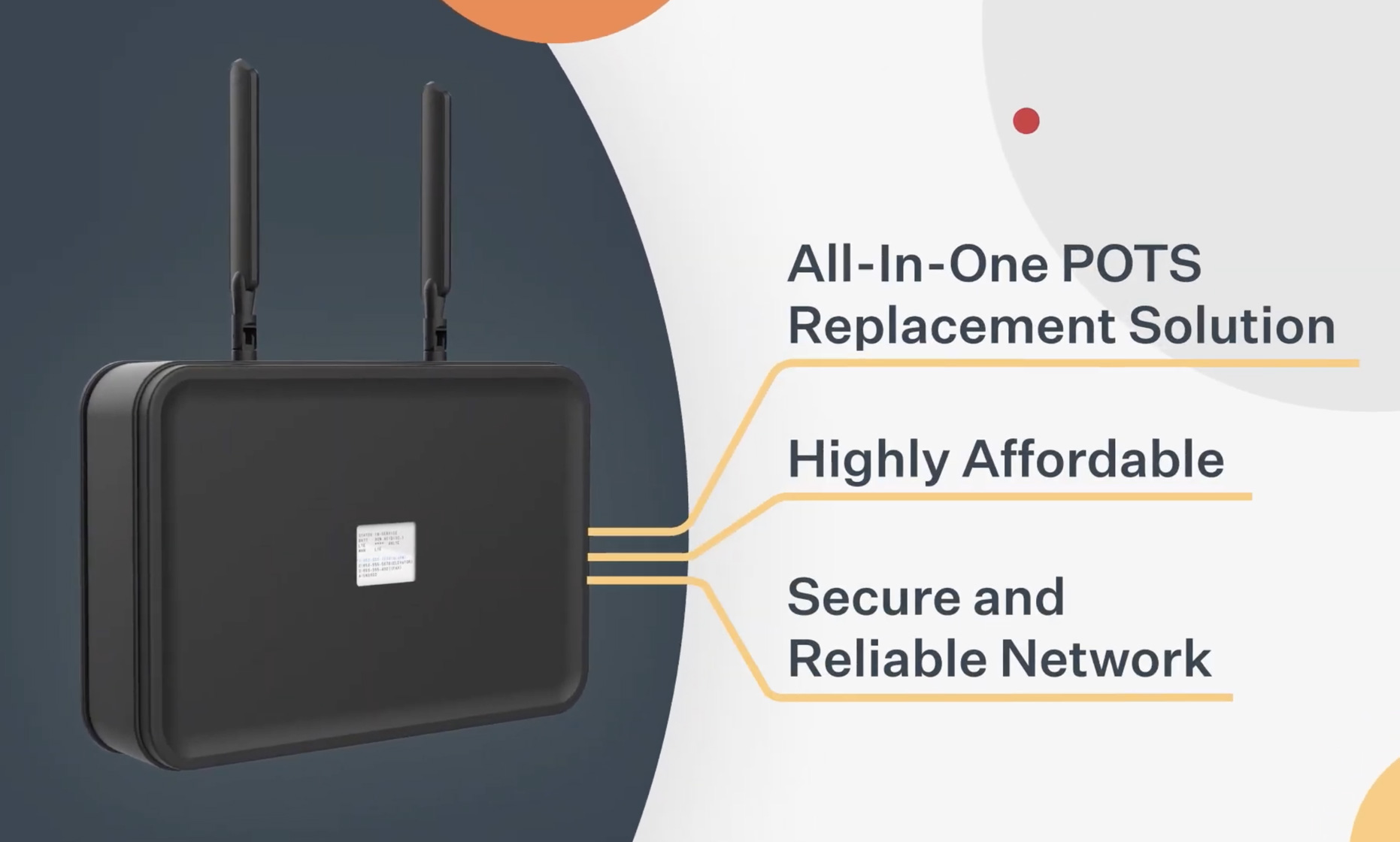
As copper POTS lines disappear, blue light emergency phones risk losing connectivity. Ooma AirDial® provides a reliable, turnkey POTS replacement solution that allows you to keep existing call boxes working without installing new wiring.

TALK TO AN EXPERT ABOUT POTS REPLACEMENT

Why blue light emergency phones matter

Instant access to help

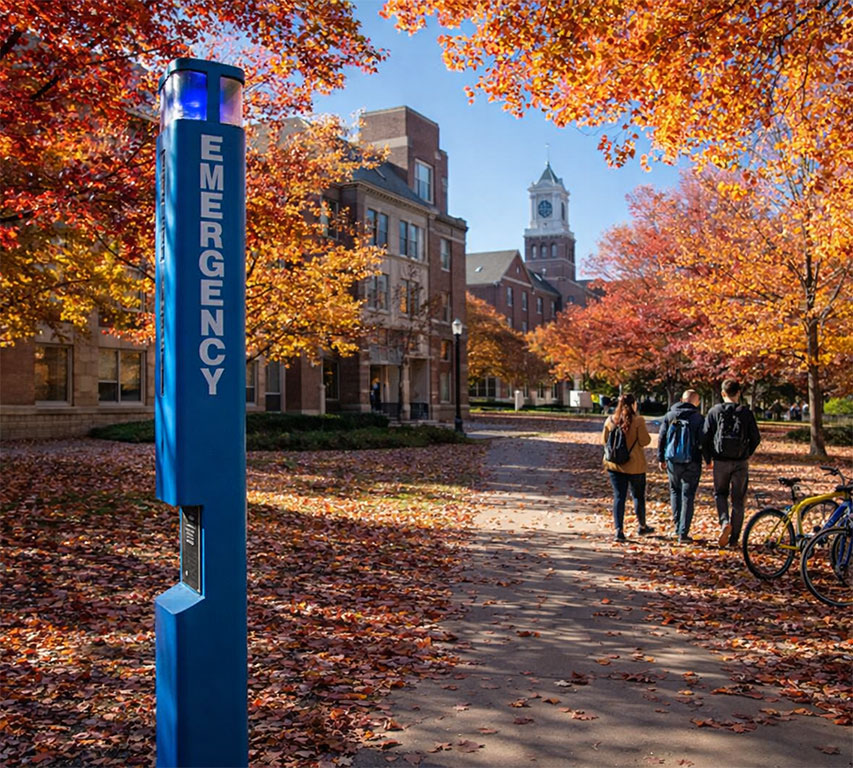
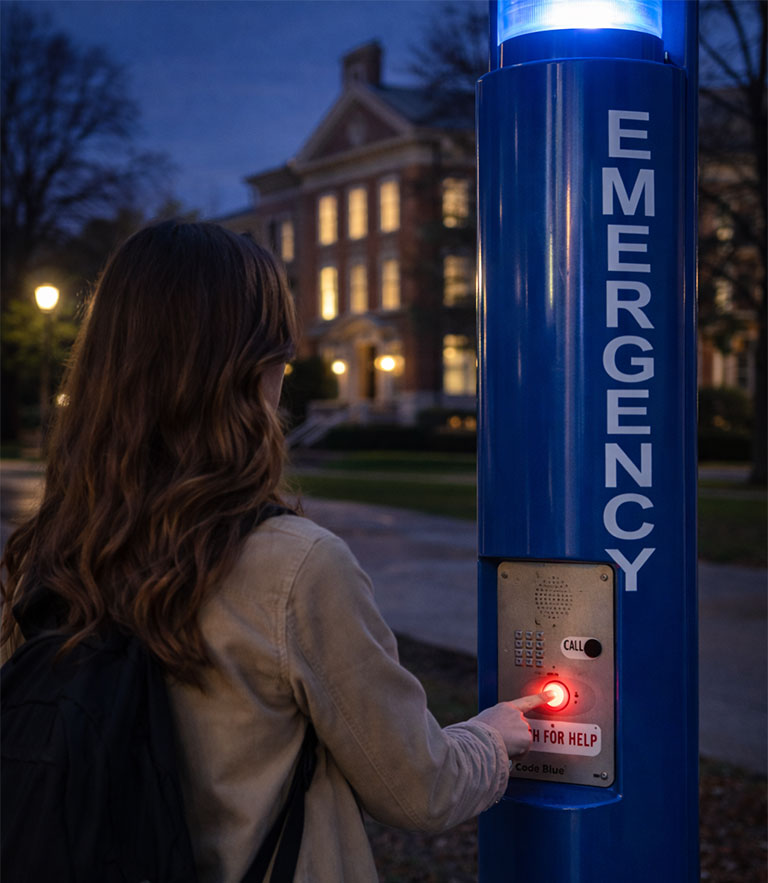
Blue light phones provide a direct, dedicated call path to campus security, police, or other emergency dispatch centers, often immediately tying into 911 or campus dispatch.

Visible deterrent against crime

The familiar blue tower on callbox signals that emergency services are just a button-press away, which can discourage criminal activity in dark or isolated areas like parking lots, paths, or wooded areas.

Reliability when cell phones may fail

Cell phones may be dead, out of battery, stolen, or out of signal. Blue light phones are particularly important in those cases — or when the caller cannot speak, but still needs help sent to that exact location.

Compliance & liability protection

Many institutions deploy blue light phones to meet campus-safety and public-safety obligations. Removing or decommissioning them could leave a campus or facility exposed to legal action.

Reassurance for student safety

Highly visible blue light phones provide peace of mind, signaling that help is always nearby. Their presence strengthens a campus’s safety reputation and boosts community confidence.

Future-proofing infrastructure

As technology and communication standards evolve, maintaining a dedicated, always-on emergency phone network ensures campuses stay compliant, prepared, and resilient—regardless of changes in mobile coverage.

Call Transcription image

AirDial provides e-911 accuracy when every second counts

Get help to the right place – immediately

Ooma AirDial pinpoints the exact device and port where an emergency call is placed, giving first responders precise location details so they can reach the caller faster.

Real-time awareness for every emergency call

AirDial’s Remote Device Management sends facility and safety managers SMS messages and email alerts whenever a blue light safety phone is used.

Typical use cases for blue light phones

Emergency phones are used in a variety of applications to provide ready access to help in the case of an emergency.

College & university campuses

Campuses often install blue light towers to meet campus safety policies; AirDial lets those towers stay fully functional even as copper lines are sunsetted.

Parks, trails & urban spaces

In areas without good cell coverage, or where users may not have a smartphone, blue light phones are a security anchor, and AirDial preserves connectivity.

Parking lots & garages

Remote or underground parking garages may have weak cellular signal or no safe cell coverage. Blue light phones remain a known, reliable emergency channel.

Transit stations, shuttle zones & remote facilities

AirDial ensures safety infrastructure stays online without costly rewiring and keeps coverage even if wired service is discontinued.

Call Transcription image

Maintain emergency phone compliance during the phase-out of copper lines

Ooma AirDial, the industry-leading POTS replacement solution, provides everything you need to replace copper phone light support for your blue light emergency phones.

More emergency phone resources

NFPA

NFPA 72 explicitly covers “Emergency Communication Systems” – including analog or digital call-box/phone-based emergency communications. While NFPA 101 works in concert with fire, building, and communications codes to ensure occupant safety.

IACLEA

The International Association of Campus Law Enforcement Administrators provides standards, training, and guidelines for campus security operations, including emergency communications and call-for-help technologies.

OSHA

The Occupational Safety and Health Administration oversees workplace emergency communication systems, alarms, and safety requirements – important for facilities teams responsible for campus grounds and parking structures.

ICC

In many jurisdictions, building and fire codes such as IBC/IFC (developed by the ICC) specify when and where emergency communication systems (or two-way communications & call boxes) must be provided.

ASME

Provides standards for accessibility in emergency communication systems, including reach ranges, operable parts, visual and audible alerts, and signage. Critical for ensuring blue light and emergency phones are usable by all students, staff, and visitors.

Elevator World

The Clery Center provides training, guidance, and best practices to help colleges and universities strengthen campus safety and comply with the Clery Act’s reporting and emergency response requirements.

Blue light emergency phone service FAQs